
Managed IT & White-Glove Support
Your single point of contact for all technology, with a tailored helpdesk and on-site support backed by clear SLAs.
SOC online 24/7Breach or outage? Call 858-399-4225
Free guidesinfo@alpiba.comMon–Fri, 7am–7pm PT

IT services
Security and IT built as one system: no gaps between vendors and no blame-shifting. Fifteen services in five practices, delivered by one accountable team for one flat per-user price.

Practice 1 of 5
Helpdesk, strategy and vendors.
Your single point of contact for all technology, with a tailored helpdesk and on-site support backed by clear SLAs.

Keep your internal IT staff and add Alpiba's security, cloud specialists and after-hours coverage.

Enterprise-grade technology leadership without a full-time CIO: roadmap, budget and risk, reviewed quarterly.

We source, configure and track hardware, software and licenses, and manage the vendors behind them.
Practice 2 of 5
24/7 SOC and layered defense.

24/7 monitoring, threat hunting and rapid incident response that contains attacks before they impact your business.

Real analysts and real playbooks watching your endpoints, identities, email and cloud around the clock.

Filter malicious email, run phishing simulations and train your team to spot what gets through.

Identity-aware access, MFA everywhere and least privilege baked into every environment we manage.
Practice 3 of 5
Microsoft 365, Google and AI.

Certified onboarding, migration, security hardening and ongoing administration by Microsoft-certified professionals.

Expert migration, training and integration for secure collaboration across hybrid teams.

Adopt AI agents and copilots with the same security-first discipline we bring to everything else.
Practice 4 of 5
Networks, servers and backups.
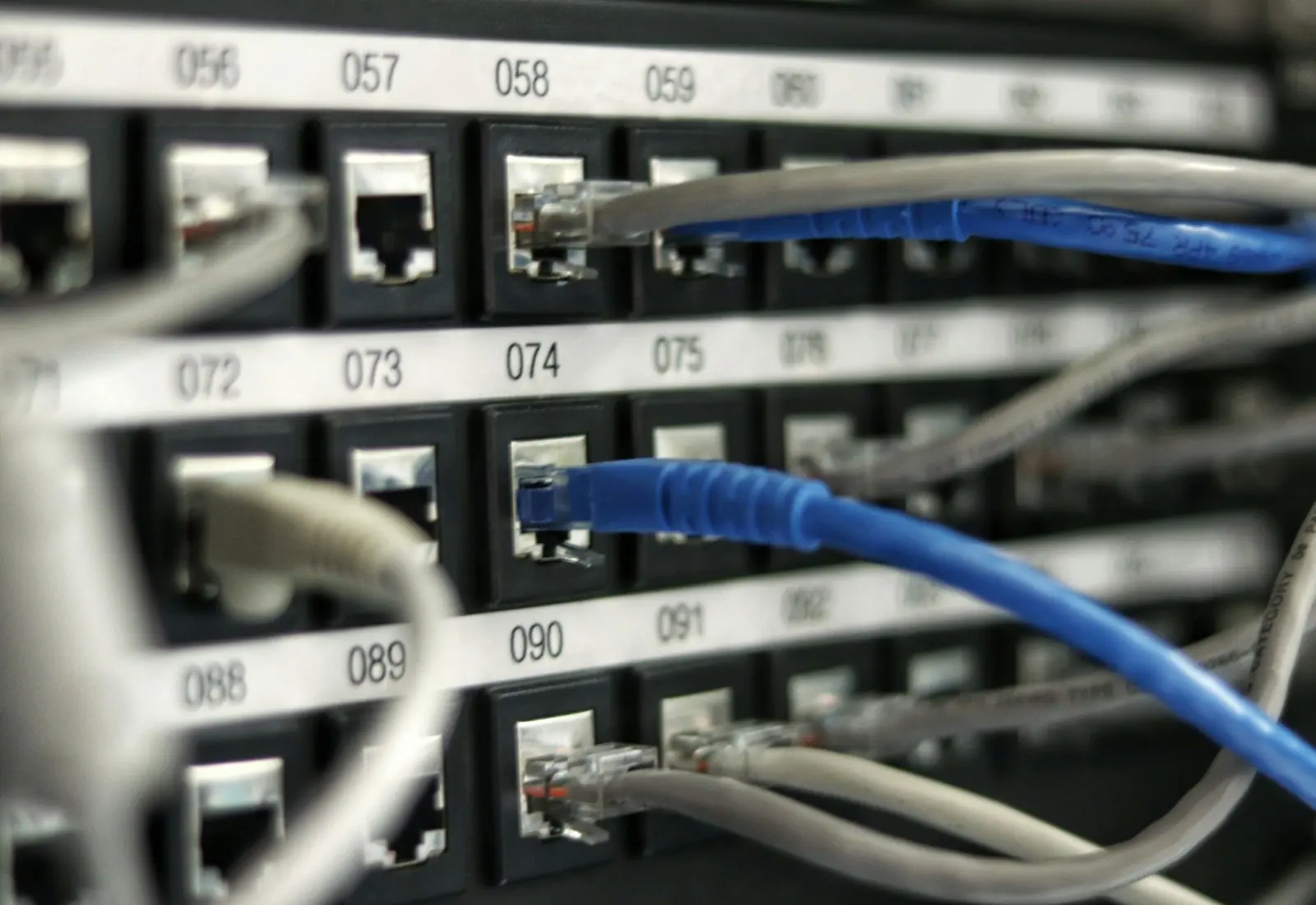
Design, optimize and secure your infrastructure for maximum uptime and performance.

Immutable backups, tested restore plans and disaster recovery playbooks so your business stays online.
Practice 5 of 5
Frameworks and assessments.

Design, implement and evidence the controls auditors and insurers ask for, and keep the audit trail ready.

Scan and review systems, cloud settings and networks for weaknesses, then fix what matters most.
“SMBs deserve a strategic technology partner, without enterprise complexity or cost.”
Roopa · Founder, Alpiba · former Accenture advisor
Fifteen services, one accountable team. Roopa built Alpiba so growing businesses never have to referee vendors again.

In depth
Most San Diego businesses don't need all 15 services on day one. They need the right three or four, set up properly, with a clear path to add the rest. This guide explains how our managed IT and cybersecurity services fit together, where businesses usually start and what to expect month to month.
Everything is delivered by one accountable team. The engineers who resolve your helpdesk tickets work alongside the analysts who watch your alerts overnight, and both report to you in the same quarterly review. When something goes wrong, you get one owner and one plain-English explanation.
The building blocks are the same for a professional office in Downtown San Diego, a research team in UTC and a distribution site in Otay Mesa. What changes is the order you put them in and how much weight each one carries.
The five practices aren't separate menus. They're layers of one environment, and each depends on the others. Your Microsoft 365 or Google Workspace tenant holds the accounts that zero-trust policies protect, the SOC watches those sign-ins, and the helpdesk keeps them current through onboarding and offboarding.
Helpdesk, monitoring, patching, vendors and onboarding keep work moving. This practice also owns the documentation every other service relies on.
Managed EDR/XDR, email security, zero-trust access and a human-staffed 24/7 SOC detect and contain threats. The analysts see the same environment the helpdesk supports.
Microsoft 365 or Google Workspace holds your email, files and identities. Hardening the tenant is where many security controls actually get switched on.
Networks and servers keep systems available. Immutable backups and quarterly restore drills prove you can recover when they aren't.
Vulnerability assessments find weaknesses early. Compliance readiness turns the controls above into evidence for auditors, insurers and customers.
Take a common scenario: a laptop starts behaving suspiciously at 2am.
Managed EDR flags the unusual behavior and isolates the laptop from the network to contain the threat.
A SOC analyst reviews the alert, checks the user's recent sign-ins and disables or resets the account if credentials may be exposed.
In the morning the helpdesk rebuilds or replaces the device, and any affected files come back from backup.
The root cause goes into your quarterly review, along with any patching, policy or training change it points to.
The right first step depends more on your situation than your industry. Here are the situations we hear about most, with what we'd usually put first and what tends to follow.
| Your situation | Start with | Add next |
|---|---|---|
| Startup or brand-new office | Microsoft 365 or Google Workspace set up securely, MFA everywhere and managed laptops | Managed IT and backups once the team depends on shared systems daily |
| Growing team outpacing its setup | Managed IT and cybersecurity together, so onboarding, patching and monitoring stop depending on one busy person | An IT roadmap and standard device specs before the next hiring wave |
| Regulated or audited | A compliance gap assessment, then the controls that close the biggest gaps: MFA, logging, encryption and tested backups | 24/7 SOC monitoring and regular vulnerability assessments to keep evidence current |
| Recovering from an incident | Containment, cleanup and credential resets, then an honest look at how the attacker got in | Managed detection and response, email security and immutable backups |
| In-house IT that's stretched | Co-managed IT for after-hours coverage and 24/7 SOC monitoring | Specialist help for migrations, refreshes and projects that keep slipping |
| Planning a big change | vCIO planning plus the project itself: a migration, a new site or a staged AI rollout | Managed services to run and secure what was built |
That's what the free 30-minute assessment is for. We'll tell you where we'd start, what can safely wait and which services you can skip entirely.

With managed IT and cybersecurity services, most of the work is ongoing: it happens every day whether or not anyone calls, and your flat per-user monthly price covers it. Projects change your environment once, with a defined scope, start and finish.
Your monthly price is set per user, and anything outside the plan is quoted before work starts. The invoice changes when you make a decision, such as adding people, services or a project, never as a surprise line item.
Most conversations start with a goal, not a service name. Here are common goals and the services that deliver them.
| Goal | Services involved | What changes |
|---|---|---|
| Fewer IT interruptions | Managed IT & white-glove support; network & server consulting | Monitoring catches problems before users do, and tickets go to people who know your setup |
| Be ready for ransomware | Cybersecurity & ransomware defense; 24/7 SOC & MDR; backups & business continuity | Threats contained under a documented playbook in the first hour, with immutable copies to restore from |
| Pass an audit, questionnaire or insurance renewal | Compliance readiness; vulnerability assessments; zero trust & identity | Answers backed by screenshots, logs and reports instead of best guesses |
| Move email and files to the cloud | Microsoft 365 or Google Workspace; IT procurement | A planned cutover, a hardened tenant from day one and licenses matched to roles |
| Back up an in-house IT person | Co-managed IT; 24/7 SOC & MDR | Nights, weekends and vacations covered, with specialists for the hard problems |
| Adopt AI without leaking data | Secure AI & automation; Microsoft 365 or Google Workspace | Oversharing fixed before an assistant can surface it, plus clear rules on approved tools |
| Stop payment fraud by email | Email security & awareness training; zero trust & identity | Filtering, DMARC, MFA and staff who verify payment changes before acting |
| Plan next year's IT budget | IT strategy & vCIO | Renewals, refreshes and compliance deadlines visible quarters ahead |
Each service page goes deeper on scope and process. If you're still deciding how to get support at all, our comparison of managed IT, break-fix and in-house support lays out the trade-offs.

Every engagement starts with the same four steps, from discovery to ongoing protection. What you'll notice day to day is the rhythm that follows.
You get a single point of contact, and calls reach a senior engineer, not a call queue. The same certified Microsoft 365 and Google Workspace engineers handle support, security and projects, so context doesn't get lost between teams.
Every service can be delivered as your complete outsourced IT department or alongside an internal team under a written responsibility split. If you already have IT staff, see how co-managed IT works.
We're San Diego-based and support clients on-site and remotely. Monitoring, SOC response and many helpdesk requests are handled remotely, which keeps response times short, while work that needs hands on equipment, such as network installs, server changes or device swaps, happens on-site.

Free guides

Service guide · Managed IT
A vendor-neutral workbook for San Diego owners and office managers choosing a managed IT provider: what to gather, what to ask, how to score proposals and how to run the first 90 days.
Service guide · Cybersecurity
A printable playbook for business owners and the people who run their offices and IT: what to put in place before an attack, what to do in the first hour and how to recover.
Service guide · Compliance Readiness
Work out which framework you need, find your gaps and build evidence as you go, with a six-stage roadmap, a shared control map and a 90-day plan.
Free 30-minute assessment
Tell us a little about your business. A senior engineer will map your top risks, quick wins and a right-sized plan, with no obligation and no sales pressure.

Founder-led and San Diego basedRoopa founded Alpiba to give growing businesses a real technology partner.